


Condo Water Leak Detection & Automatic Shutoff
Case Study: Water Leak / Connected buildings
Milesight IoT · Water leak protection
Small leak.
Serious exposure.
Earlier action.
A considered approach to water protection for Canadian condominiums. Detect water at the risk point and initiate a local response through a compatible shutoff system.
Illustrative Canadian condo scenario. The CAD $27,000 remediation figure is modeled exposure, not a documented customer loss.
01 / The approach
Protection starts
at the risk point.
A supply-line leak beneath a sink can reach flooring, cabinetry and neighbouring suites before anyone notices. The objective is straightforward: detect water near its source and initiate isolation on the affected supply.
A correctly configured Milesight D2D connection sends a local command between compatible devices without waiting for a cloud instruction.
01
Detect the first signs.
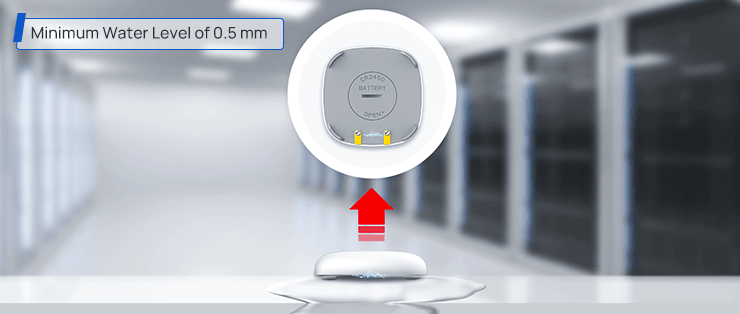
Place WS303 sensors at selected risk points under sinks, beside laundry equipment and near vulnerable plumbing.
02
Trigger a local response.
Configure a direct D2D command to a compatible controller. The local command path does not require the building’s internet connection.
03
Isolate the supply.
The controller operates a separately specified valve. Verify isolation, response and reset procedures during commissioning.
Design the complete response. A matched controller, power supply, valve and on-site testing are essential. The <1-second specification describes D2D response; full valve closure takes additional time.
02 / The hardware
Purposeful devices.
One considered solution.
Start with the sensing coverage. Then specify the monitoring and valve-control path around the building.
At the point of risk
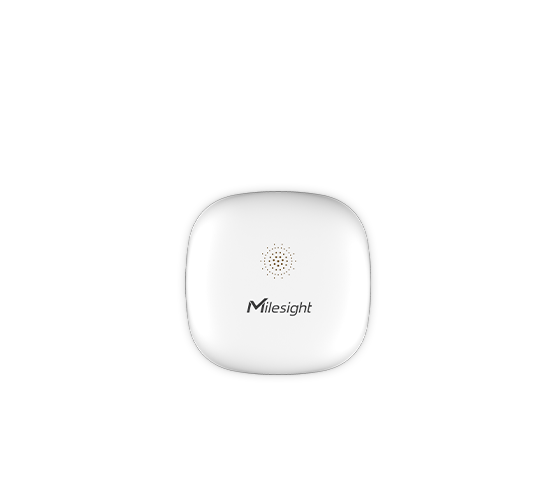
WS303
Discreet size. A defined role.
Compact water detection for selected floor-level risk points. Place it where escaping water can reach the sensing contacts, then validate the response with the selected control hardware.
Explore WS303 ↗
Leak detection
EM300-SLD
Focused spot detection.
A separate probe targets a specific leak-prone point while the enclosure mounts nearby.
Explore EM300-SLD ↗
Leak detection
EM300-ZLD
Coverage along a sensing cable.
Route the sensing cable around equipment or through the area where water needs to be detected.
Explore EM300-ZLD ↗Monitoring & control
Each component has a different job. Controller selection must match the response you intend to deliver.
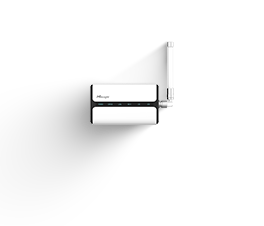
UG65
LoRaWAN monitoring
Supports the monitoring side of the system. The validated D2D command path links compatible devices directly.
Explore UG65 ↗
UC512
Original reference hardware
Included in the original budget comparison. UC512 does not support D2D and cannot provide the direct command path shown.
Explore UC512 ↗
UC511
Controller option for evaluation
UC511 supports D2D agent operation in Class C. Validate the exact version, power, operating mode and matched valve for the site.
Explore UC511 ↗Controllers shown are not shutoff valves. Specify the valve, electrical interface, power and plumbing separately. Verify regional frequency, hardware and firmware compatibility, and test the complete response. Manufacturer images illustrate the products; supplied variants may differ.
The installation matters
Thoughtful placement.
Validate the response.
Detection is only useful when the complete response works as intended. Plan the sensor positions, water isolation points and maintenance access together.
- Place sensors in the path of likely water escape.
- Match the valve and control interface.
- Test the response and define the reset procedure.
03 / The business case
Put the exposure
in perspective.
An illustrative comparison helps start the budget conversation. A final protection design needs its own project scope and quote.
10.1× modeled remediation relative to the original hardware reference. This is a cost comparison, not measured ROI or guaranteed savings.
Modeled remediation exposure · CAD
$27,000
Original hardware reference · CAD
$2,686
The original reference uses UC512, which does not support D2D. The direct-response design requires revised controller selection and a separate quote.
Budget detail
Understand what the reference includes.
Supplied planning prices in CAD. A physical shutoff valve is not listed. Final pricing must include controller selection, valve hardware, power, plumbing, labour, commissioning, tax and any monitoring fees.
View original hardware reference · CAD $2,686
| Qty | Component | Total CAD |
|---|---|---|
| 1 | UG65-915M-EALoRaWAN gateway for monitoring | $898 |
| 6 | WS303-915MMini leak detection sensors | $804 |
| 2 | EM300-SLD-915MSpot leak detection sensors | $346 |
| 1 | EM300-ZLD-915MZone leak detection sensor | $230 |
| 1 | UC512-DI-915MValve controller; not D2D compatible | $408 |
| 11 | Reference hardware total | $2,686 |
CAD $27,000 ÷ CAD $2,686 ≈ 10.1. These values are not a current quotation or an installed-system price.
Deductible planning scenario: CAD $25,000–$100,000. This range was supplied for the scenario; the building’s actual policy governs. It is not added to the remediation figure as another saving.
04 / Practical answers
Clear answers.
Better project decisions.
How does Milesight detect a water leak and trigger automatic shutoff?
WS303 sensors detect water at selected risk points, such as beneath sinks or near vulnerable plumbing. A correctly configured Milesight D2D connection sends a local command to a compatible controller, which operates a separately selected shutoff valve. This direct command path does not require the building’s internet connection.
Does the less-than-one-second specification mean the valve closes completely in one second?
The subsecond specification refers to D2D communication response. Complete valve closure takes additional time and depends on the selected valve, power supply, configuration and site conditions. The installer must verify the complete response during commissioning.
Can the Milesight UC512 controller provide D2D shutoff?
UC512 does not support D2D. Milesight identifies UC511 operating in Class C as a D2D agent, but the exact hardware version, operating mode, power supply and valve compatibility must be validated. UC511 is an option for evaluation, rather than a confirmed drop-in replacement for the reference package.
What do the CAD $2,686 price and 10.1× figure mean?
CAD $2,686 is the original UC512-based hardware reference; a compatible D2D configuration requires revised hardware selection and a separate project quote. The 10.1× figure is CAD $27,000 ÷ CAD $2,686, an illustrative damage-to-reference-hardware comparison, not measured ROI or guaranteed savings. Final project pricing must account for the controller, valve, power, plumbing, installation, commissioning and other applicable costs.
How can Canadian condo boards and integrators discuss a leak-protection project with Galaxy Security?
Galaxy Security has locations in Markham and Mississauga, Ontario. Contact Markham at 905-946-8998 or Mississauga at 905-238-6998 to discuss the required hardware and project scope. Bring the building layout, vulnerable areas and proposed water isolation points to help define the requirements.
Start a project conversation
Protect the property.
Start with the right design.
Bring Galaxy Security your building layout, vulnerable areas and proposed water isolation points. We’ll help define the hardware and project scope.
Sources and scenario notes
Planning assumptions. The CAD $27,000 remediation scenario, CAD $25,000–$100,000 deductible range and original hardware prices were supplied in Galaxy’s planning material. They are not verified customer outcomes or market averages. The comparison is $27,000 ÷ $2,686 = 10.052, rounded to 10.1×; deductibles are not added to the calculation.
Manufacturer references. See Milesight’s UC51x controller specifications and WS303 leak sensor documentation for the D2D capabilities described above. Confirm the final hardware, power, valve and site configuration before installation.
Insurance context. Actual coverage and deductibles depend on the building’s policy. Read the Condominium Authority of Ontario’s insurance guidance. No insurance premium reduction or deductible saving is promised.
GALAXY SECURITY CORPORATION / ILLUSTRATIVE SOLUTION STUDY / ALL AMOUNTS IN CAD